 Boca Juniors Hub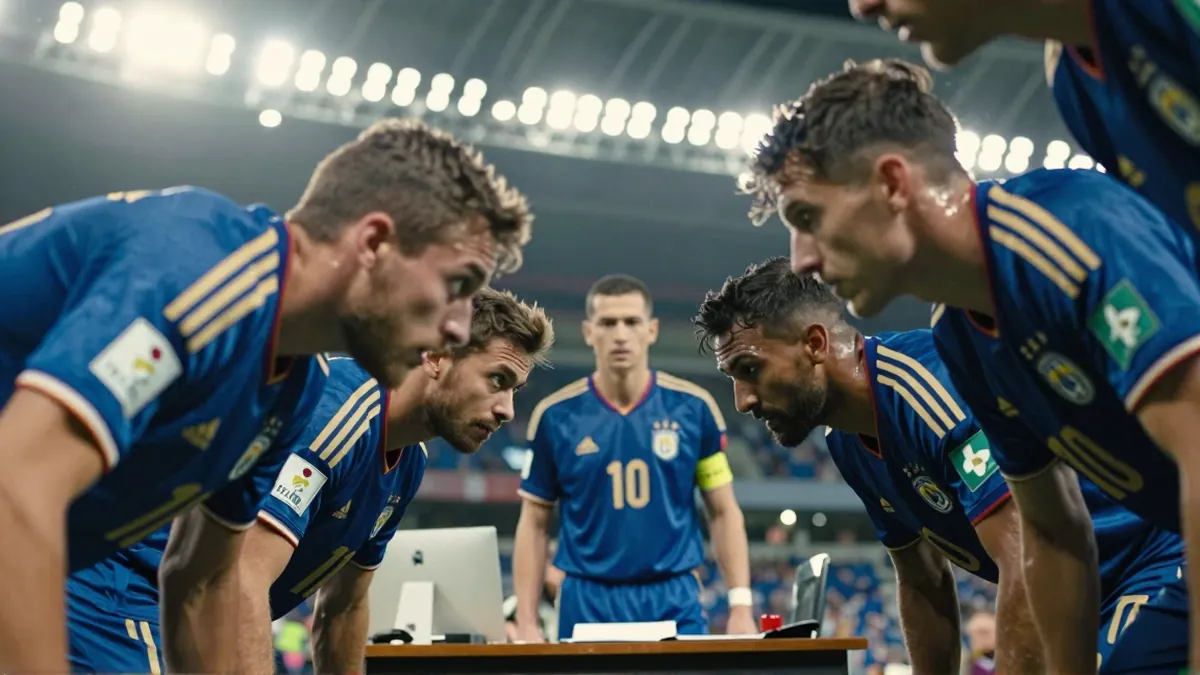
Who was Antonio Rattín and why does his name still echo at Boca Juniors?
Boca Juniors lost Antonio Ubaldo Rattín this Saturday, 89, a figure who shaped the club’s and world football’s history. The Xeneize captain, a 1.90 m midfielder, played 382 matches from 1956 to 1970, scored 28 goals and lifted five national titles. His on‑field leadership matched his physical presence, and his death coincided with the Argentina‑Switzerland quarter‑final at the 2026 World Cup.
How did Rattín force the creation of yellow and red cards?
At the 1966 World Cup in England, Argentina met the hosts in the quarter‑finals. German referee Rudolf Kreitlein sent off Rattín, claiming the captain had “looked at him badly.” The Argentine, who didn’t speak German, demanded an interpreter and stayed on the pitch for several minutes without answer. When he finally left, he crushed the corner flag bearing the British flag, sparking a chorus of whistles. That controversy pushed FIFA to adopt the yellow‑and‑red‑card system to avoid similar misunderstandings.
What role did Rattín play in Boca’s golden era alongside Julio Meléndez?
During his tenure, Rattín shared a locker room with Peruvian central defender Julio Meléndez, who arrived in 1968. Together they formed the backbone that led Boca to the 1969 and 1970 championships. While Meléndez dazzled with technique, Rattín imposed order and character from midfield, becoming the commanding voice of a generation still fondly recalled.
What does his legacy mean for today’s Boca?
Rattín’s memory arrives as Boca Juniors sits second in the Liga Profesional Argentina, with 30 pts, 8 wins, 6 draws and 2 losses from 16 games, and a recent LWWWD run. The side has scored 22 goals and conceded 9, holding a +13 goal difference, just one point behind leaders Estudiantes L.P. The next test is a home clash with Estudiantes L.P. on 2026‑07‑29, a match that could decide the title.
How is his figure celebrated in Xeneize culture?
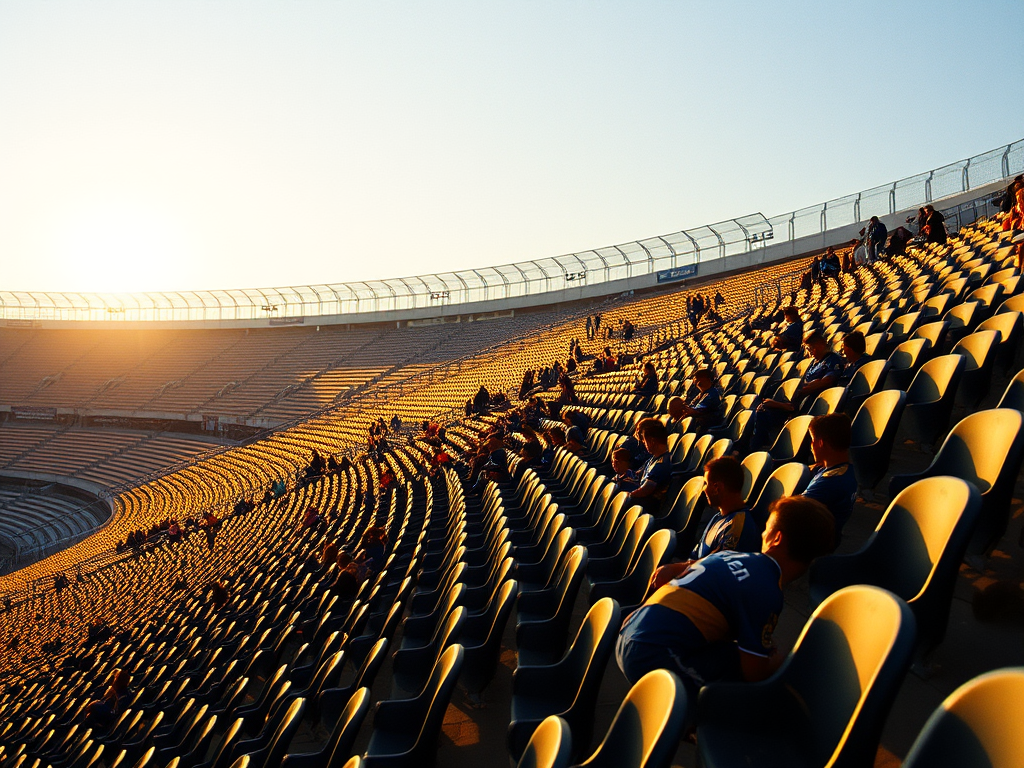
Boca fans remember him as the “Caudillo” who never backed down. Each year on his death anniversary, candles are lit at La Bombonera and his feats are recited. His story is told on guided tours of the club museum, and his portrait still hangs in the stadium corridors, reminding new generations that passion and bravery can rewrite the rules.
Boca Juniors moves forward, yet Rattín’s shadow lingers, a reminder that defending dignity on the pitch can transcend time.