 Boca Juniors Hub
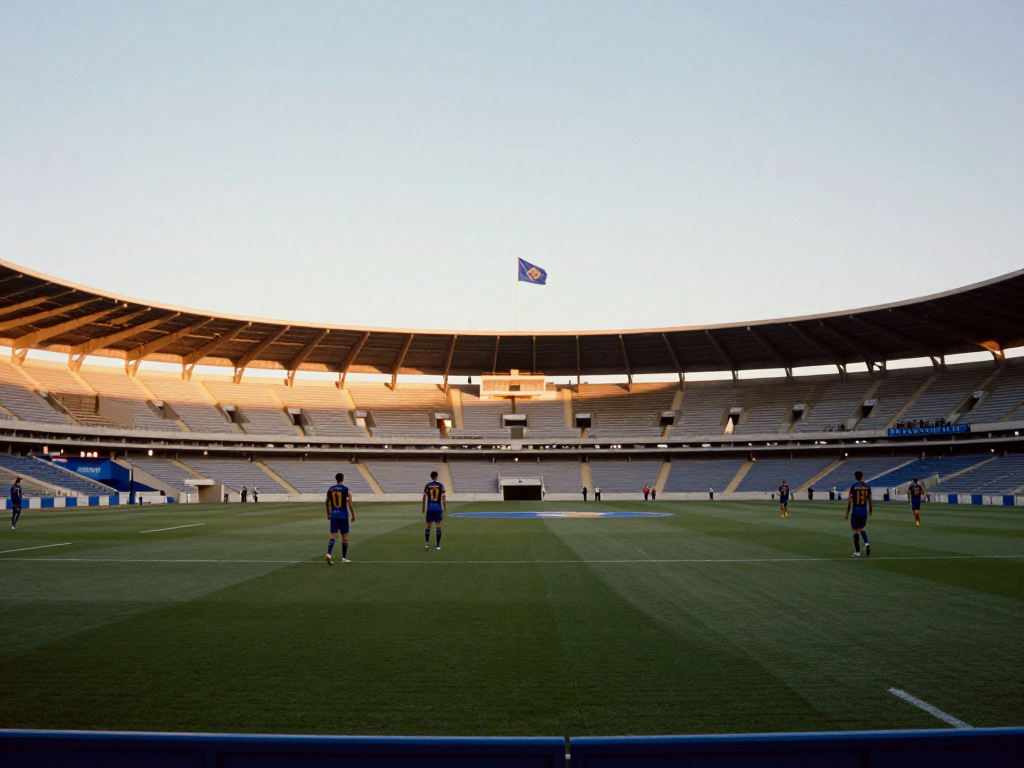
On May 6, 1979, La Bombonera became the stage for one of the most memorable Superclásicos in Argentine football history. Boca Juniors, with a star-studded team, faced a determined River Plate looking to steal the spotlight. The intensity of the match was palpable even before the opening whistle, as fans from both clubs filled the stands, creating an electrifying atmosphere.
The first half reflected the combative spirit of both teams. Boca, led by their captain, the legendary Rubén “El Chivo” Avallay, showcased offensive and aggressive play. However, River Plate, with their solid defense and the cunning of their midfielder, Carlos “El Pato” Fillol, managed to contain Boca's advances. The first half ended scoreless, but emotions were running high.
The second half brought an even greater level of intensity. As the minutes ticked by, the pressure mounted, and the game grew more physical. It was in the 74th minute when, after a brilliant collective play, Boca managed to break the deadlock with a goal from Jorge “El Pato” Urruchurtu, unleashing madness in La Bombonera. The fans erupted in joy, singing and cheering their team in a magical atmosphere.
However, River did not back down. With the determination of a giant, they began to search for the equalizer, and after a series of attempts, they managed to level the score through a magnificent free kick executed by Norberto “El Beto” Alonso. The goal was a hard blow for Boca, who had believed they had the match in the bag. From that moment on, the match turned into a true tug-of-war, where every play mattered and every second was vital.
The match culminated in a 1-1 draw, but what truly remained etched in collective memory was the passion and commitment of both teams. The Superclásico of '79 was not just a football match but an event that united generations of fans and solidified the rivalry between Boca Juniors and River Plate even further. Years later, those who were at La Bombonera still remember the excitement and fervor of that day, a testament to the impact football can have on Argentine culture.
In Boca Juniors' history, this clash stands out as an emblematic example of Xeneize passion. The essence of Argentine football was lived in every play, in every shout from the fans, making it clear that beyond the result, what truly matters is the love for the jersey and the commitment in every match.